What Top Law Firms Do Differently with Copilot
What Top Law Firms Do Differently with Copilot
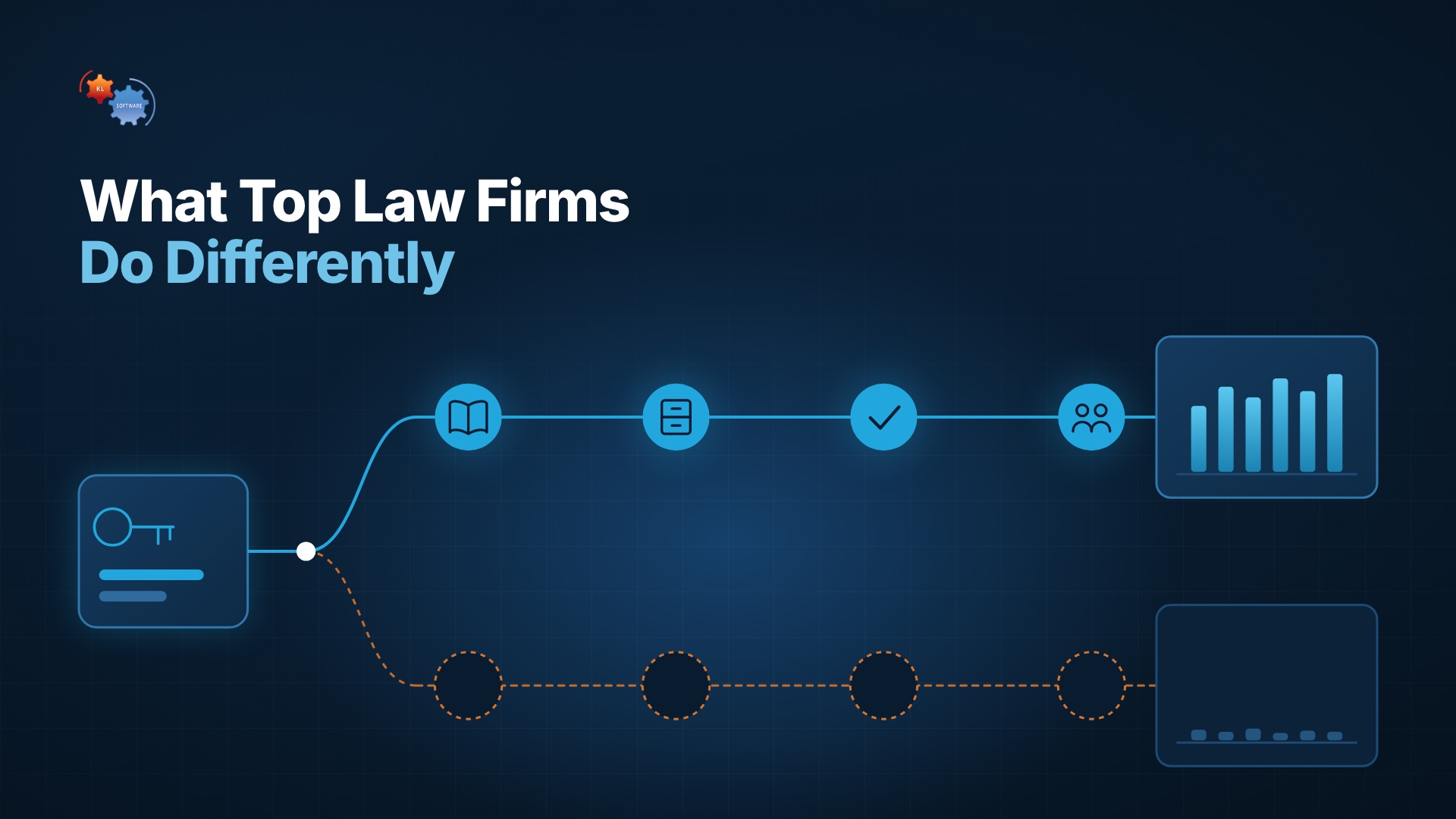
Two law firms buy Microsoft 365 Copilot on the same day. Six months later, partners at one firm are swapping workflow tips over coffee. On the other hand, the usage dashboard looks like a quiet library.
Same tool. Same price. What happened?
(The two firms below are illustrative composites, not real clients.)
The difference was not technology. It was what each firm did around it. Microsoft even provides an admin report that shows licensed users inactive over a rolling 28-day window, because tracking real usage is part of any good rollout.
Here are the four moments that decide everything.
Moment 1: The Friday night NDA check
It is 6 p.m. Maya, a junior associate, needs to review an NDA against the firm's playbook before the weekend.
At Firm B, Copilot gives a neat, generic summary. Helpful, but it has never seen the playbook. Maya reads the contract herself and closes the chat.
At Firm A, the playbook is loaded. Copilot flags three clauses that deviate from the firm's preferred position. Maya is done in minutes and tells her team.
The lesson: Copilot is brilliant at everyday work. Legal work needs the firm's own rules in the room.
Moment 2: The 2019 indemnity clause
A partner remembers a great indemnity clause from a 2019 deal. It lives in the firm's document management system (DMS), such as NetDocuments or iManage.
At Firm B, Copilot cannot reach that repository, so the answer is thin. The partner shrugs and calls a colleague.
At Firm A, Copilot is connected to authorized repositories, with existing permissions intact. The clause appears with its matter context in seconds.
The lesson: Lawyers trust tools that know the firm's own work. That is where a firm's real value sits.
Moment 3: The answer that sounded right
In law, "sounds right" is not good enough. Stanford researchers tested leading legal research AI tools and found hallucination rates between 17% and 33%, even in specialized products.
This is an industry-wide reality, not one product's flaw.
Firm B told lawyers to "be careful." Vague advice, so people either over-checked everything or trusted too much.
Firm A designed verification into the workflow:
- Every output cites its source document.
- The lawyer confirms key points before anything leaves the firm.
- A short list defines what must always be checked.
The lesson: Confidence comes from a clear checking routine, not from hoping for perfect answers.
Moment 4: The prompt guide nobody read
Firm B emailed one prompt guide to everyone. An M&A partner, a litigator and in-house counsel all got the same page.
Firm A built playbooks by practice group and ran a 20-minute "show and tell" each month, where lawyers shared one workflow that saved them time.
Firm B is not alone. In the 2026 8am Legal Industry Report, 54% of firms offered no AI training and 43% had no AI governance policy.
The lesson: People adopt what they see colleagues using.
| Moment | Firm B | Firm A |
|---|---|---|
| The Friday night NDA check | a neat, generic summary | the playbook is loaded |
| The 2019 indemnity clause | cannot reach that repository | connected to authorized repositories |
| The answer that sounded right | told lawyers to "be careful." | designed verification into the workflow |
| The prompt guide nobody read | emailed one prompt guide to everyone | built playbooks by practice group |
How can your firm copy Firm A this quarter?
McKinsey's 2025 global survey found that redesigning workflows is a key success factor, and that nearly two-thirds of organizations have not yet begun scaling AI.
Tools open the door. Redesigned work walks people through it.
Start here:
- Check real usage. Which groups use Copilot weekly? Build on those wins.
- Connect with the firm's knowledge. Give Copilot secure access to the repository's lawyers already trust.
-
Write practice-specific playbooks.
- M&A: clause comparison and playbook review
- Litigation: deposition summaries and case analysis
- Corporate legal: policy and contract review
- Knowledge management: finding and reusing precedents
- Make learning habits. Short and monthly beats long and once.
Remember that lawyers keep the duty to supervise and verify. The ABA's Formal Opinion 512 confirms that competence and confidentiality obligations apply to generative AI.
The question for your next partners' meeting
Skip "Does Copilot work?" Ask: "Have we given it the right data, workflows, training and support to solve real problems for our lawyers?"
Two firms, one license. The gap between them is a decision.
Sources
- Stanford RegLab and HAI, Hallucination-Free? Assessing the Reliability of Leading AI Legal Research Tools (2024)
- 8am, 2026 Legal Industry Report
- McKinsey, The State of AI in 2025 (November 2025)
- Microsoft 365 Copilot usage report (admin center documentation)
- ABA Formal Opinion 512 (July 2024)